Description
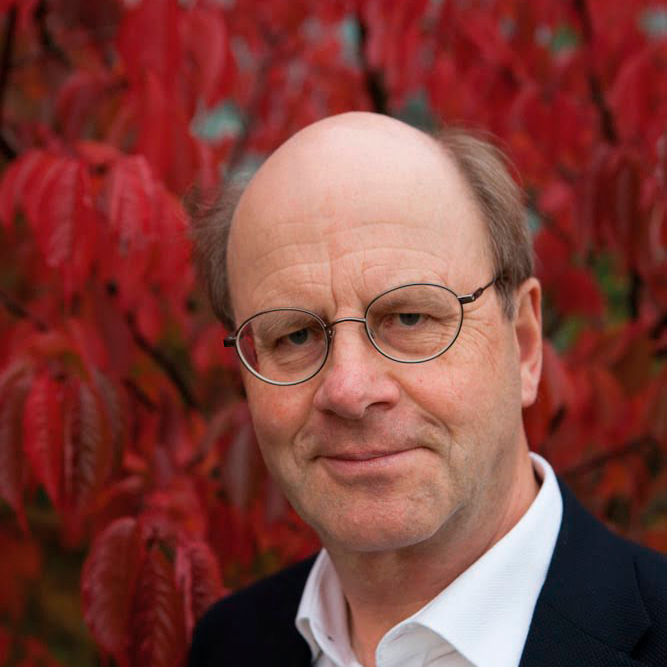
Professor Pekka Kauppi and his co-workers published, in 1992, an article in Science that provided the answer to the riddle. According to the article Biomass and Carbon Budget of European Forests, 1971-1990, boreal forests had started to absorb much more carbon than they were annually releasing into the atmosphere. The finding was hailed as the solution to the mystery of missing carbon in the world’s media. It started the discussion about forests as carbon sinks that could solve an important part of the humanity’s carbon dioxide problem.
Kauppi had also been one of the thirty experts that laid the groundwork for the establishment of IPCC (Intergovernmental Panel on Climate Change), in three meetings organized in Villach, Austria, in 1982 and 1983, within the auspices of ICSU, international Coalition of Scientific Unions. Kauppi also became the chairman of IPCC’s forestry working group.
In his new book 8 Ways to Improve the Forest Carbon Sink Kauppi updates the discussion and analyses how forests should be managed to provide a partial answer to the climate problem.
Kauppi says that according to the mass of research reports forests and individual trees growing larger have annually absorbed more than 3.5 billion tons of carbon or almost 14 billion tons of carbon dioxide from the atmosphere. At their best forests have absorbed and sequestered almost one half of all anthropogenic carbon dioxide emissions.
According to Kauppi the relative role of the forest carbon sink has diminished since the 1990’s relative to fossil carbon emissions. However, if the fossil emissions will peak in the near future, this trend can be reversed.
Kauppi lists and ranks eight options to improve the forest carbon sink. Counterintuitively, his four most important solutions are not associated with protecting or managing forest ecosystems. Rather, they are related to adjusting the global energy system, a shift to more sustainable food production, compiling and applying better information and data on the global carbon cycle, and placing global industries into locations where they produce minimal environmental damage.
The author claims that such grand adjustments, if implemented successfully, would lower the land use pressures on global forests. As a result, the contribution of the forest carbon sink to mitigate the climate change would be significantly enhanced.
The author does not recommend reducing wood consumption. On the contrary, he proposes implementing science-based forest management to upgrade timber yields, so that the same amount of wood can be harvested from a much reduced area of land. He also calls for policies and innovations to improve the efficiency of wood use and for more concentrated efforts to reduce the losses caused by forest fires and insects spreading to new geographical areas with global warming.
The book presents amazing and encouraging new statistics from the two most populated countries of the world, India and China. In both countries net deforestation has ended and forests have become important new carbon sinks.
”Improved forest management, drawing on science and supported by efficient extension services, can make a significant long term contribution to reducing multiple pressures on global ecosystems and climate”, says Kauppi.